Street Food vs. Budget Restaurants: Where to Eat in Lisbon

Lisbon’s culinary scene is a vibrant tapestry woven with traditional flavors and modern innovations. For travelers mindful of their budget, the choice between street food vendors and budget restaurants, particularly the iconic tascas, can significantly shape their gastronomic journey. This article aims to provide a comprehensive comparison of these two dining options, focusing on affordability and overall experience. By examining the nuances of each, we hope to equip you with the insights needed to make informed decisions that align with your preferences and expectations.
Navigating Lisbon’s food landscape involves understanding the distinct characteristics of street food and traditional tascas. Street food, often found in bustling markets or at food trucks, offers a casual and quick dining experience, while tascas are small, family-run establishments that serve homestyle Portuguese dishes. Both options present unique opportunities to savor local cuisine without straining your wallet, yet they differ in ambiance, variety, and cultural immersion. This guide will delve into these aspects, providing a balanced perspective to help you choose where to eat during your visit.
Understanding the Affordability of Street Food
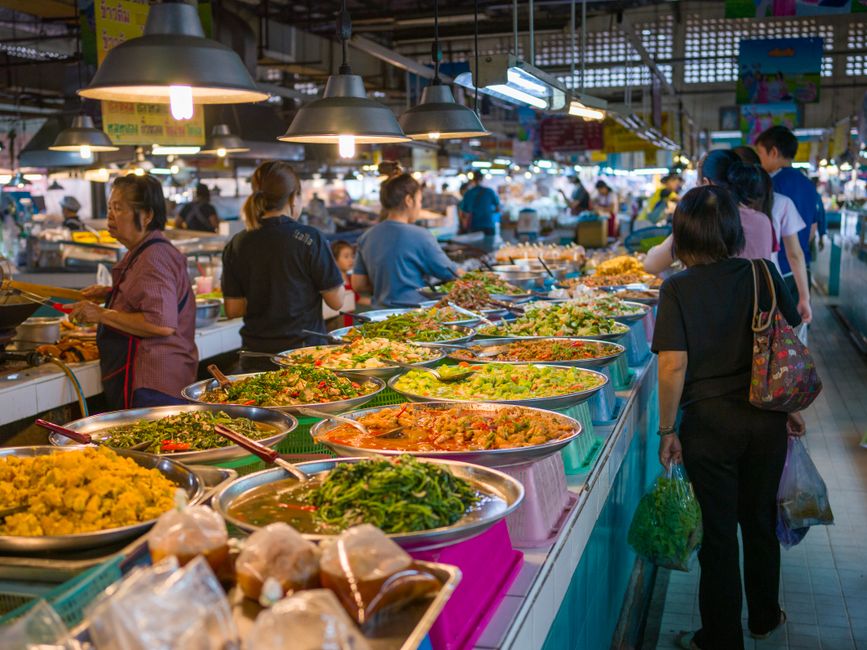
Street food in Lisbon is generally perceived as an economical choice, but the actual costs can vary widely depending on the location and type of vendor. At popular spots like the Time Out Market, prices may be higher due to the curated selection and premium ingredients. Conversely, smaller stalls in local markets or food trucks in residential areas offer more budget-friendly options. For example, a bifana (a traditional pork sandwich) can cost as little as 3 to 5 euros, while a serving of pastéis de bacalhau (codfish cakes) might range from 2 to 4 euros. These prices make street food an attractive option for travelers looking to sample multiple dishes without a significant financial outlay.
However, affordability extends beyond the initial price tag. Street food often allows you to control portion sizes and combine different items, enabling you to create a meal that fits your exact budget. Additionally, eating on the go can save time and money that would otherwise be spent on service charges or tips in sit-down restaurants. It is also worth noting that street food vendors frequently use locally sourced ingredients, which can enhance the freshness and flavor of the food while keeping costs reasonable. Overall, street food offers a flexible and cost-effective way to explore Lisbon’s culinary diversity.
The Traditional Experience of Tascas
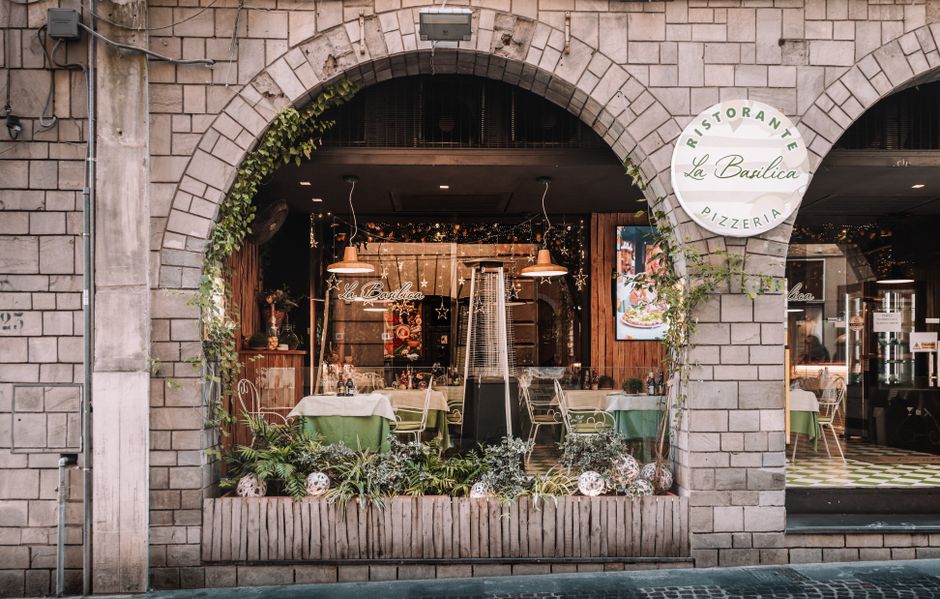
Tascas are quintessentially Portuguese establishments that offer a more structured dining experience. These small, often family-owned restaurants serve hearty, home-cooked meals at modest prices, making them a staple for locals and an authentic choice for tourists. A typical tasca menu features dishes like grilled sardines, feijoada (bean stew), and cozido à portuguesa (boiled meats and vegetables), with prices ranging from 8 to 15 euros per main course. While this may be higher than street food, the cost often includes table service, bread, and sometimes a small appetizer, providing a complete meal experience.
The value of dining at a tasca goes beyond the price. These establishments are steeped in tradition, often passed down through generations, and they provide a glimpse into the local way of life. The ambiance is usually cozy and unpretentious, with regulars chatting at the counter and the aroma of simmering stews filling the air. For many visitors, the experience of sitting down, relaxing, and enjoying a leisurely meal is well worth the extra expense. Moreover, tascas often offer daily specials (prato do dia) that are even more affordable, making it possible to enjoy a filling meal within a tight budget.
Comparing the Dining Experience
When comparing street food and tascas, the dining experience itself differs in several key aspects. Street food is inherently casual and fast-paced, ideal for travelers who want to eat on the move or multi-task between sightseeing activities. It caters to a desire for variety, allowing you to sample a wide range of flavors in a single day. On the other hand, tascas encourage a slower, more contemplative approach to eating, where you can savor each dish and engage in conversation with the staff or fellow diners. This social aspect is often cited as a highlight of the tasca experience, adding a layer of cultural enrichment that street food may lack.
Another factor to consider is the authenticity of the food. Street food in Lisbon often puts a modern twist on traditional recipes, appealing to contemporary tastes and trends. Food trucks, in particular, may offer fusion dishes that blend Portuguese flavors with international influences. In contrast, tascas focus on preserving classic recipes, using time-honored techniques and family secrets. This distinction means that if you are seeking an authentic taste of Portugal, a tasca might be the better choice, while if you are open to innovation, street food will not disappoint.
The setting also plays a role in the overall experience. Eating street food in a lively market or on a picturesque square provides a dynamic backdrop that captures the city’s energy. Conversely, dining in a tasca offers an intimate, rustic charm that reflects the soul of Lisbon’s neighborhoods. Both environments contribute to the memory of your meal, but they do so in different ways. Ultimately, your choice may depend on whether you prioritize convenience and variety or tradition and atmosphere.
Tips for a Memorable Meal in Lisbon
Regardless of where you choose to eat, a few tips can enhance your dining experience in Lisbon. First, consider timing your meals to avoid peak crowds. Lunch is typically served from 12:00 to 15:00, and dinner from 19:00 onwards. Arriving early or slightly after the rush can ensure a more relaxed atmosphere and sometimes better service. Additionally, don’t hesitate to ask locals for recommendations. They can point you to hidden gems that may not appear in guidebooks, offering a more authentic taste of the city.
When exploring street food, don’t be afraid to try unfamiliar items. Portuguese cuisine is diverse, and street vendors often showcase regional specialties that are worth sampling. If you are visiting a food market, take a stroll around first to see what catches your eye, and then make a decision based on your appetite and curiosity. For tascas, look for those that are busy with local customers; this is usually a good indicator of quality and authenticity. Also, consider asking for the daily special, as it is often the most flavorful and best-value option.
Finally, embrace the local customs. In tascas, it is common to share tables or engage in friendly banter with the staff. In street food settings, be mindful of the environment and dispose of your waste properly. By showing respect for the culture, you not only enrich your own experience but also contribute to the sustainability of these culinary traditions.
Ultimately, the choice between street food and budget restaurants in Lisbon is not about which is objectively better, but rather about what aligns with your personal preferences, budget, and travel style.
Both options offer unique advantages that can contribute to a fulfilling and memorable culinary adventure in this charming city.